Author: Shutter Talk

  • Planning a Home Renovation in East London? Start With the Details That Matter

    Planning a Home Renovation in East London? Start With the Details That Matter

    Renovating a home in Leyton or anywhere else in East London is rarely straightforward. The area’s character comes from its variety — Victorian terraces, Edwardian houses, warehouse conversions, and carefully slotted new builds all sitting side by side. That mix is what makes the area appealing, but it also means renovation decisions need more thought than a standard checklist.

    In London, the best renovations are rarely about big gestures. They’re about getting the details right.


    Renovating in East London Comes With Its Own Rules

    East London homes tend to share a few realities. Streets are close together. Natural light changes dramatically throughout the day. Privacy is often limited, especially at ground and first-floor level. Many properties have beautiful original features, but also quirks that don’t always suit modern living without careful planning.

    This is why renovations here work best when they’re responsive rather than trend-led. Copying what works in a detached home elsewhere doesn’t always translate to a terrace in Leyton, Hackney, Bow, or Walthamstow.


    Work With the Building, Not Against It

    One of the most common renovation mistakes is fighting the structure of the building. East London homes often have strong bones — tall sash windows, generous ceiling heights, deep window reveals, and well-proportioned rooms.

    Successful renovations respect these elements rather than covering them up. Original proportions, where they exist, usually enhance light and flow when treated thoughtfully. When changes are needed, they work best when they feel intentional rather than imposed.


    Light and Privacy Are the Real Renovation Challenges

    Ask most London homeowners what they struggle with during a renovation and two themes come up repeatedly: light and privacy.

    Street-facing rooms, overlooked gardens, and neighbouring windows mean that managing visibility is as important as maximising daylight. Too much exposure can make a space feel uncomfortable, but blocking light entirely can leave rooms flat and lifeless.

    Good renovations find balance — allowing light in while giving homeowners control over how their space is experienced throughout the day.


    Why Window Decisions Deserve More Thought

    Windows are often treated as something to “deal with later” in a renovation. Furniture, kitchens, and bathrooms take priority, while window treatments become an afterthought.

    In reality, windows shape how a room feels more than almost anything else. They influence light, warmth, privacy, and even how large a space appears. Temporary solutions like curtains and blinds can work, but they don’t always sit comfortably within London interiors, particularly where windows are a key architectural feature.

    Built-in solutions tend to feel more resolved because they’re designed as part of the space rather than layered on top.


    Shutters as Part of a Thoughtful Renovation

    This is where shutters often make sense within an East London renovation.

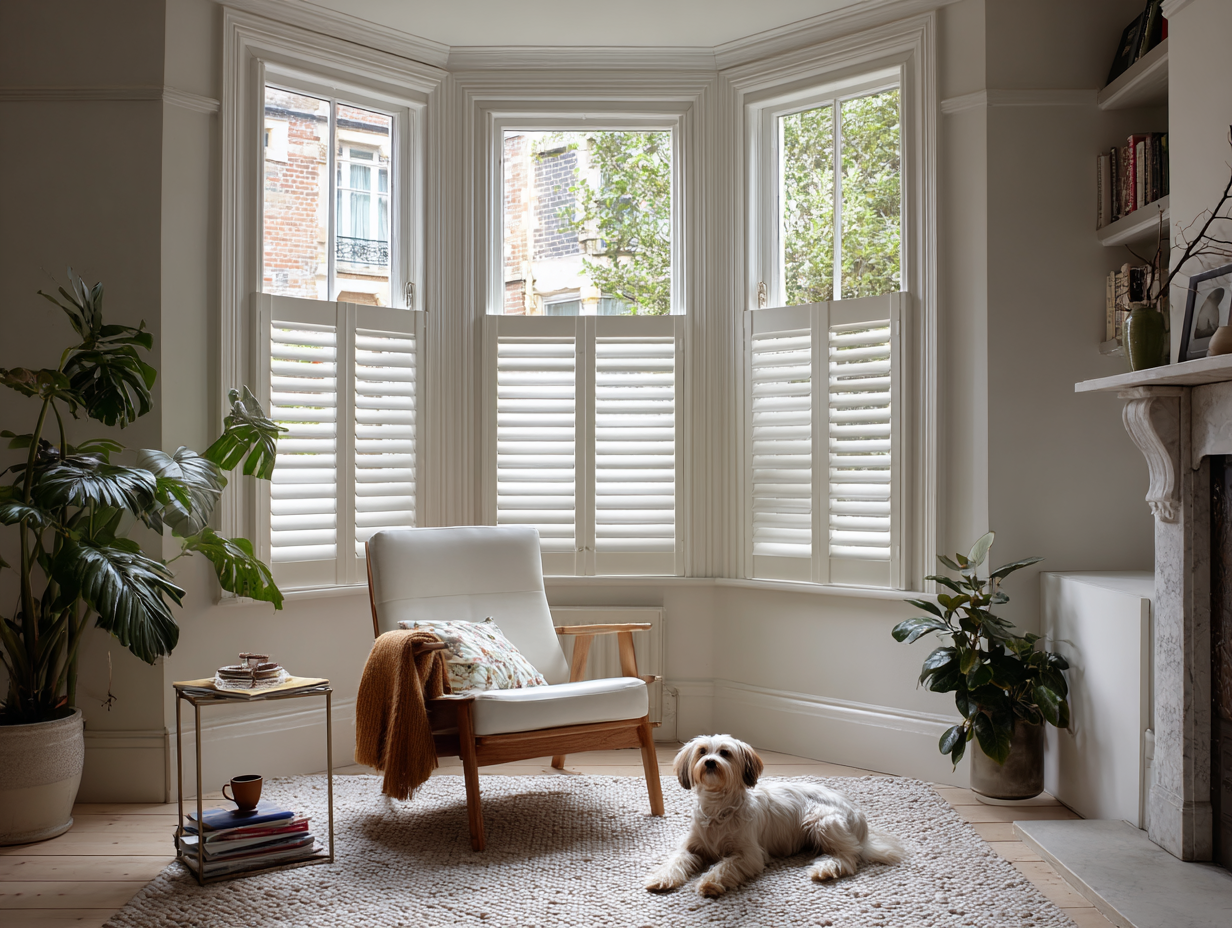
    Rather than acting as decoration, shutters become part of the architecture of the room. They sit within the window recess, respect original proportions, and provide flexible control over light and privacy. In period homes, they feel historically appropriate. In contemporary spaces, they offer structure and calm.

    Because they’re durable and long-lasting, shutters also suit renovations where homeowners are thinking beyond short-term trends.


    Renovating an Existing Home? You Don’t Always Need to Start From Scratch

    Not every renovation means replacing everything.

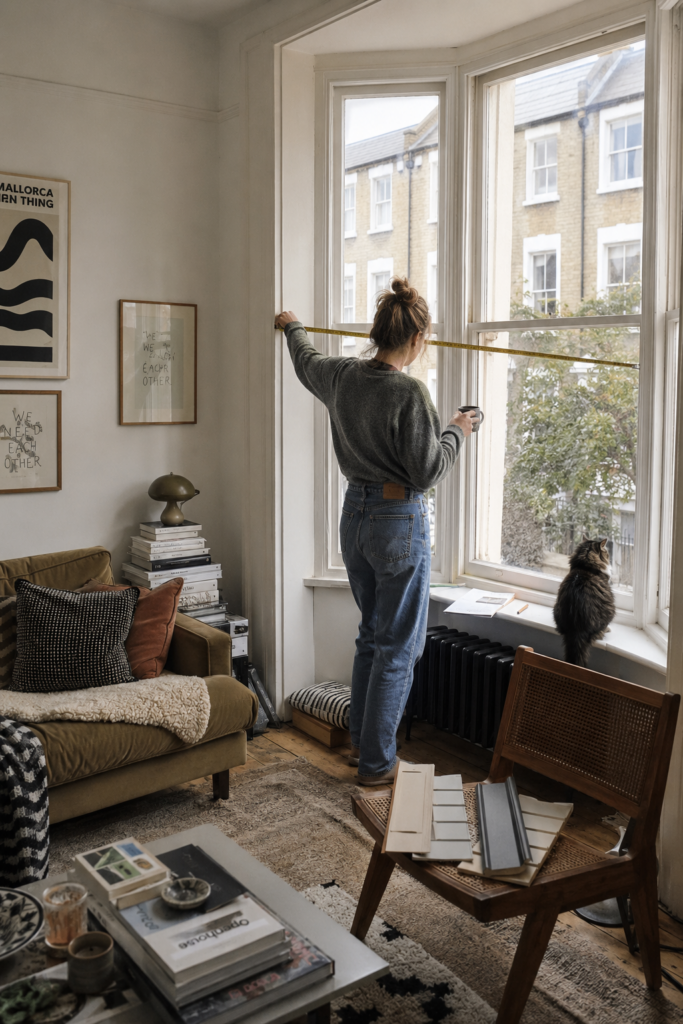
    Many East London homes already have shutters in place, particularly in period properties. In some cases, these can be removed and refitted as part of a wider renovation — for example, when rooms are reconfigured, redecorated, or extended.

    A remove-and-refit service allows homeowners to retain existing shutters while updating the surrounding space, reducing waste and unnecessary replacement. It’s a flexible option that suits renovations focused on refinement rather than total overhaul.


    New Shutters: Curated Colours or Fully Bespoke

    London townhouse dining room with a rustic wooden table, botanical wallpaper, and tall sash windows featuring interior plantation shutters painted soft green, allowing natural daylight into a calm, design-led space.

    For homeowners installing new shutters as part of a renovation, there are generally two approaches.

    A curated range of classic colours offers simplicity and confidence. These shades are chosen to work across a wide range of interiors and age well over time, making them ideal for homeowners who want a timeless finish without overcomplicating decisions.

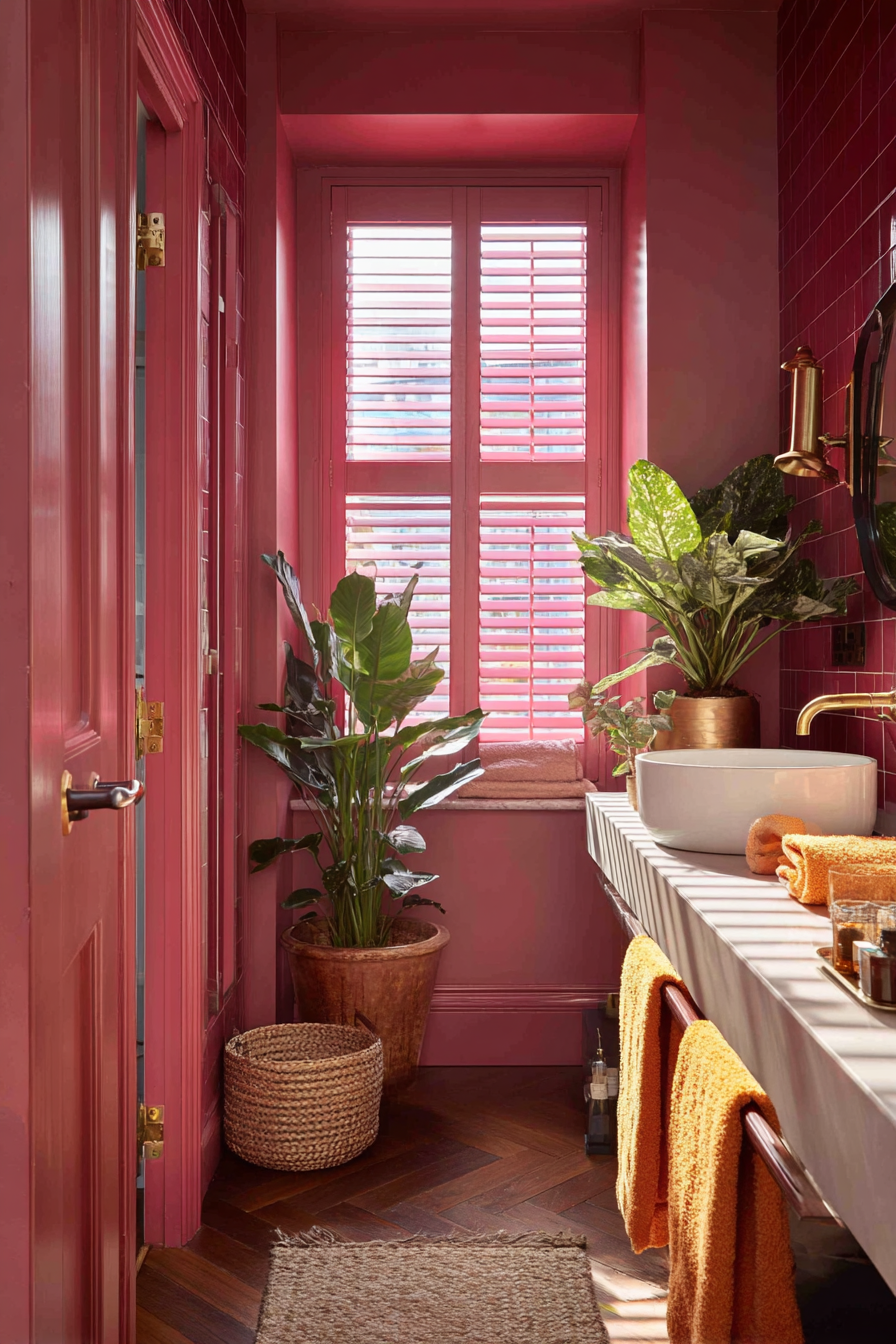
    For more design-led renovations, a bespoke, made-to-match colour service allows shutters to be tailored precisely to the home. Colours can be matched to existing paintwork, woodwork, or wider schemes, creating a seamless result. This approach works particularly well in period homes or where colour plays a central role in the design. Look for inspiration from Farrow&Ball, Little Greene or Lick.

    Both options allow shutters to feel intentional rather than generic.


    Planning Ahead Makes All the Difference

    One of the most effective renovation decisions is simply thinking ahead.

    Considering window treatments early in the renovation process avoids compromises later. It allows shutters to be integrated cleanly, measured accurately, and finished to suit the space rather than retrofitted around completed work.

    Early planning also helps homeowners make informed decisions about layout, colour, and function, resulting in a more cohesive final result.


    Renovating for How You Actually Live

    Renovations aren’t just about how a home looks — they’re about how it works day to day.

    Working from home, entertaining, family life, and quiet downtime all place different demands on a space. Window treatments that offer flexibility help rooms adapt as needs change, whether that’s managing glare during the day or creating privacy in the evening.

    The most successful East London renovations reflect how people actually live, not just how a space photographs.


    The Best Renovations Are Defined by the Details

    A good renovation doesn’t shout. It settles.

    In East London homes, thoughtful decisions around light, privacy, proportion, and longevity make the difference between a space that feels finished and one that feels temporary. Shutters, when chosen carefully, become part of that foundation rather than an afterthought.

    Whether you’re updating an existing home, reworking original features, or planning something new, focusing on the details early leads to results that last. If you’d like us to pop round for a design consultation click on the form below:

  • Why Shutters Change the Way a Living Space Feels

    Why Shutters Change the Way a Living Space Feels

    Light, privacy, and timeless design

    Noticing your Living Space Again When You Add Shutters

    Winter has a way of slowing everything down. The light changes. Mornings linger a little longer. Evenings draw in earlier. And suddenly, the rooms we rushed through all year start asking for attention.

    It’s often not the furniture that feels wrong, or the layout. It’s subtler than that. A room can look finished and still feel unsettled. Too exposed. Too cold. Too bright in the wrong places and dim in the ones that matter.

    More often than not, the answer sits quietly at the window. Add shutters in your living space and notice the difference instantly.

    Light Is the First Thing You Feel

    Light shapes how a space feels before you notice anything else. It tells you whether a room is calm or restless, open or closed, generous or harsh.

    Shutters don’t simply block light. They give you control over it. The ability to soften glare without darkening the room entirely. To let morning light in while keeping the street at a distance. To change the mood of a space from hour to hour, not just day by day.

    It’s the difference between a room reacting to the weather and one that responds to you.

    Privacy Without Heaviness

    Living spaces, especially in cities like London, often sit close to the street. Bay windows, period proportions, beautiful architecture — paired with the reality of passers-by just a few feet away. But this intimacy with the street isn’t unique to terraced housing or Victorian conversions. Anywhere homes sit close together, the same question arises.

    Curtains can feel theatrical. Blinds can feel temporary. Both often ask you to choose between light and privacy.

    Shutters sit somewhere quieter. They offer privacy without retreat. You can tilt them, open sections, let light filter through while keeping the room comfortably yours. It’s a softer kind of separation — one that protects without isolating.

    A Room That Holds Its Warmth

    Warmth isn’t only about temperature. It’s about how long you want to stay in a room once the evening settles in.

    Shutters add a subtle layer of insulation, but more than that, they change how a room holds its atmosphere. They reduce drafts, soften edges, and create a sense of enclosure that feels deliberate rather than heavy.

    On winter evenings, it’s the difference between turning the heating up and actually feeling at ease.

    White as Structure, Not a Safe Choice

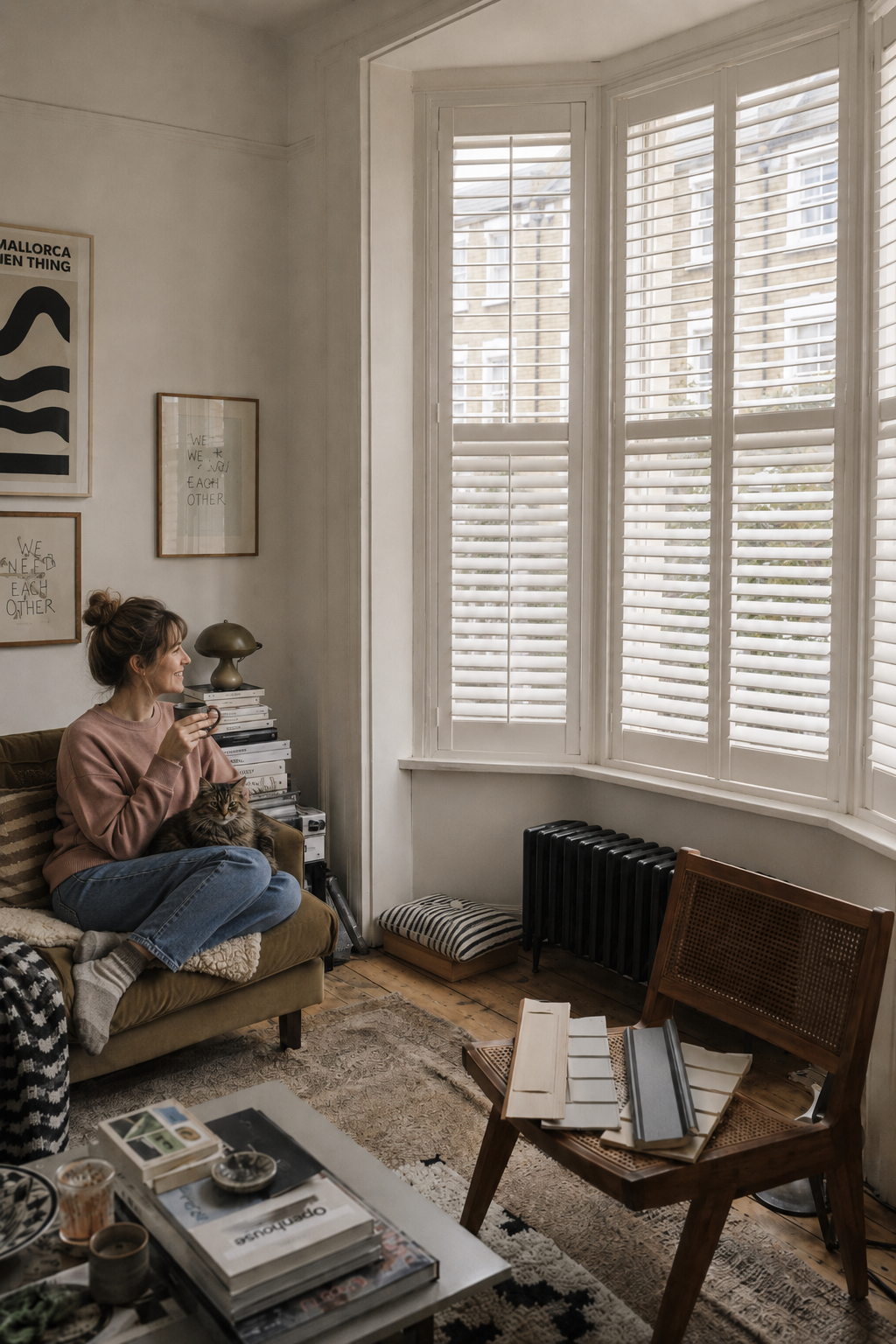
    Light-filled London living room with tall bay windows fitted with white plantation shutters by The East London Shutter Company, a neutral sofa, wooden floors, and soft winter daylight creating a calm, timeless interior.

    White shutters are often misunderstood as the “neutral option.” In reality, they’re architectural.

    They bring order to a window. They emphasise proportion. They create depth where there might otherwise be flatness. Against pale walls, they create subtle shadow and dimension. Against darker colours, they provide breathing room. In period homes especially, white shutters feel less like decoration and more like part of the building itself.

    They don’t compete with a room. They steady it.

    When Colour Sets the Mood of the Space

    Colour changes the conversation entirely.

    Deep greens, inky blues, soft charcoals — coloured shutters don’t sit quietly in the background. They become part of the room’s identity. Sometimes they’re the anchor that everything else gathers around.

    A deep forest green in a room with warm oak flooring and brass accents. Charcoal shutters anchoring a space filled with soft pinks and creams. The shutter becomes the fixed point that holds the composition together.

    Used well, colour doesn’t overwhelm. It grounds. It adds warmth and confidence. It turns the window into a feature without asking the rest of the room to shout.

    This is where shutters move from functional to expressive.

    Why Living Spaces Respond So Well to Shutters

    Living rooms ask more of us than almost any other space. They’re social and solitary. Bright in the daytime, intimate in the evening. Calm one moment, animated the next.

    Shutters adapt to that rhythm. They allow a room to shift without being reworked. To feel open in the morning, private by afternoon, cocooned at night.

    That flexibility is what makes them feel so natural in living spaces. They support how a room is actually used, not how it looks in a photograph.

    Timeless Design Isn’t Loud

    Trends announce themselves. Timeless design settles in.

    The best interiors don’t constantly demand attention. They age quietly. They improve how a space works rather than how it performs.

    Shutters have lasted not because they shout, but because they listen. To the building. To the light. To the people living with them.

    When something works this well, you stop noticing it — and that’s usually the point.

    A Change You Feel More Than You See

    The most meaningful upgrades aren’t always the most visible. They’re the ones that change how a space feels when you walk into it. How long you stay. How comfortable you are being there.

    Shutters don’t transform a living space overnight. They transform it gradually, through use. Through seasons. Through daily life.

    And once they’re in place, the room rarely feels quite right without them.


    Curious how shutters could work in your home?


    Interested in solid wood shutters?

    Visit The Hackney Shutter Company to explore classic solid shutters designed for period homes.

  • How to Make a Powerful Statement With Colour in Your Window Shutters

    How to Make a Powerful Statement With Colour in Your Window Shutters

    Walk down a street in Leyton or anywhere in East London and you’ll see it all.

    Victorian terraces with original features.1950s semis mid refresh. Modern flats trying to soften sharp edges.

    What they all have in common is windows that do a lot of heavy lifting.

    Most people think colour belongs on walls or cushions. But windows are one of the strongest visual anchors in a room. Shutters give you the chance to do something more interesting than safe white and done.

    White and off white shutters will always be a classic. No argument there. But if you want your home to feel personal, confident and properly finished, colour is where things can get interesting.

    When Old Curtains Are Letting the Room Down

    Modern kitchen with orange cabinets, a black-framed window, plants, and open shelves. Bright natural light creates a warm atmosphere.

    We see this all the time in Leyton homes.

    Curtains that block light in houses that already struggle for it. Blinds that never quite sit straight. Fabric that’s faded, dusty, or just feels tired.

    Often the room itself is lovely. Good proportions, nice floors, plenty of character. But the windows are holding everything back.

    Replacing old window dressings with shutters instantly lifts a space. Choosing a colour is what takes it from nice to noticed.

    And yes, it adds real value too. Buyers notice shutters. They really notice coloured ones done properly.

    The Window Shutter Question Everyone Gets Stuck On

    This is usually where people pause.

    I love the idea, but will I regret it? What if it dates? What if it’s too much?

    White feels sensible. It blends in. It won’t offend anyone. It’s a classic.

    But safe doesn’t always mean right.

    Bold doesn’t mean loud. It means intentional.

    In Leyton and across East London, we regularly fit deep greens that calm busy living spaces, charcoal and black shutters that sharpen bay windows, and warm greys and clay tones that soften period rooms.

    These colours don’t overwhelm. They ground the space.

    Cozy bedroom with a bed covered in plush pillows and a fur throw. Vase of flowers on a wooden nightstand by a window with shutters. Warm light.

    Why Colour Works So Well on Shutters

    Shutters behave differently to painted walls.

    They filter light. They frame the room. They sit within the architecture instead of sitting on top of it.

    That’s why darker colours often feel calmer, not heavier. A deep tone against white walls adds contrast and depth. A muted shade in a neutral room adds warmth without fuss.

    It’s the difference between decorating a room and designing it.

    After the Shutter Installation: The Part Everyone Loves

    This is what homeowners tell us after installation.

    Friends walk in and stop. People ask where they’re from. Someone always says, “They make the whole room.”

    Coloured shutters don’t fade into the background. They quietly change how a space feels.

    It’s not flashy. It’s confident.

    Elegantly styled bathroom with a vintage black clawfoot tub, gold fixtures, green walls, and a large window with shutters. Cozy ambiance.

    A Little Local Advice for 2026

    If you’re upgrading your windows anyway, don’t choose white by default just because it feels safe.

    Leyton homes have character. High ceilings, original features, interesting light. Colour works beautifully here when it’s chosen well.

    The smartest thing you can do is see colours in your own space, in your own light, before deciding.

    Book a free home design consultation. See real samples in situ. Add a bit of colour and confidence to your home in 2026.

    Good design doesn’t have to shout. It just has to be considered.

  • A Warmer, Calmer Home for 2026: Why Winter Is the Best Time to Start Your Shutter Project

    A stylish East London kitchen in deep green tones with white plantation shutters, marble worktops and steam rising from a pot, showing how shutters handle heat and moisture in busy spaces.

    Book a FREE Design Consultation

    There’s something about late December that makes you notice your home differently. Maybe it’s the slow days between Christmas and New Year, maybe it’s the quiet mornings, maybe it’s the way the winter light slips across a room — but this is the week when people suddenly see their homes again.

    The draught coming through the bay window. The glare in the kitchen at 3pm. The bathroom that could do with a little more privacy. The living room that feels close, but not quite complete.

    Winter has a way of showing us what our homes actually need.

    And for many homeowners, that moment of clarity leads to a January project — one that sets the tone for the entire year ahead.

    Why Winter Reveals the Best Home Improvements

    You feel things in winter that you don’t notice in June.

    Heat escaping through old sash windows. Curtains clinging to condensation. The way blinds rattle with every cold gust of wind. A lack of privacy when the days turn dark early.

    Victorian and Edwardian homes are beautiful, but they’re not subtle about their flaws. If they’re going to complain, they do it in December.

    This is exactly why shutters become such a winter essential. And why so many homeowners start planning them now.

    How Shutters Bring Warmth, Calm and Insulation

    People often think shutters are purely aesthetic — until they feel what they do in winter. Here are some of the benefits of shutters:

    Shutters reduce heat loss through windows. Wood acts as a natural insulator, creating a barrier between your room and the glass.

    They stop draughts from sneaking in. Especially in bay windows and older sash frames.

    They handle moisture better than curtains or blinds. Perfect for steamy kitchens and busy bathrooms.

    They let you control winter light instead of blocking it. Tilt the louvres down for privacy, up for brightness – you get calm, filtered light without feeling on display.

    They make rooms feel instantly more finished. Warm, quiet, grounded.

    It’s the kind of improvement you feel from your shutter project every single day – especially in the cold winter months.

    Why January Is the Best Month to Start Your Shutter Project

    A warm, cosy Victorian living room in East London with white plantation shutters on a bay window, soft winter light, layered textiles and natural greenery creating a calm, inviting space.

    Homeowners often wait for spring to make changes, but January is a sweet spot – for both design and practicality.

    • Your house is now calm after the Christmas rush
    • You can see your rooms clearly now the Christmas decorations are packed away
    • Trades diaries are a bit more flexible
    • Planning now means spring installation
    • It’s the perfect “new year, new home energy”

    It’s the month when people decide: This is the year my windows finally look how they should.

    A small upgrade that transforms the whole house.

    Whole-House Shutter Projects for a Fresh 2026 Start

    A serene East London bathroom with white plantation shutters filtering soft winter light, featuring a freestanding bath, brass fixtures and eucalyptus for a calm, warm atmosphere.

    Some homes suit shutters in just one or two rooms. Others — the beautiful old terraces of Hackney, Walthamstow, Leyton, Bow — truly come alive when shutters run through the entire home.

    Whole-house projects bring:

    • A calm, consistent look
    • Better insulation throughout
    • Improved privacy where you need it most
    • Balanced light from room to room
    • A sense of quiet luxury you feel immediately

    And if you’re renovating or refreshing for 2026, it’s one of the easiest ways to create a home that is both beautiful and practical.

    Our Boxing Day Offer (Subtle, Simple, Designed for January Projects)

    If a warmer, calmer home is on your mind for the new year, take advantage of this deal:

    Boxing Day Offer

    • 10% off all shutter orders with any deposit paid in January
    • Tailor-made whole-house packages for bigger 2026 projects

    Book your design visit over the festive break, take your time in January, and lock in the offer when you’re ready.

    A gentle nudge towards a home that feels more settled, more insulated, and more “you” in 2026.

    A Little Winter Decision That Changes Everything

    Winter shows you the honest version of your home. The bits you love. The bits you’ve outgrown. And the quiet things that could be better.

    If 2026 is the year you want more warmth, more privacy, more calm light and less noise, shutters are one of the most transformative upgrades you can make — especially in the character-filled homes of London.

    Book your free January design consultation below.

    East London Shutter Company — made for homes with character.